
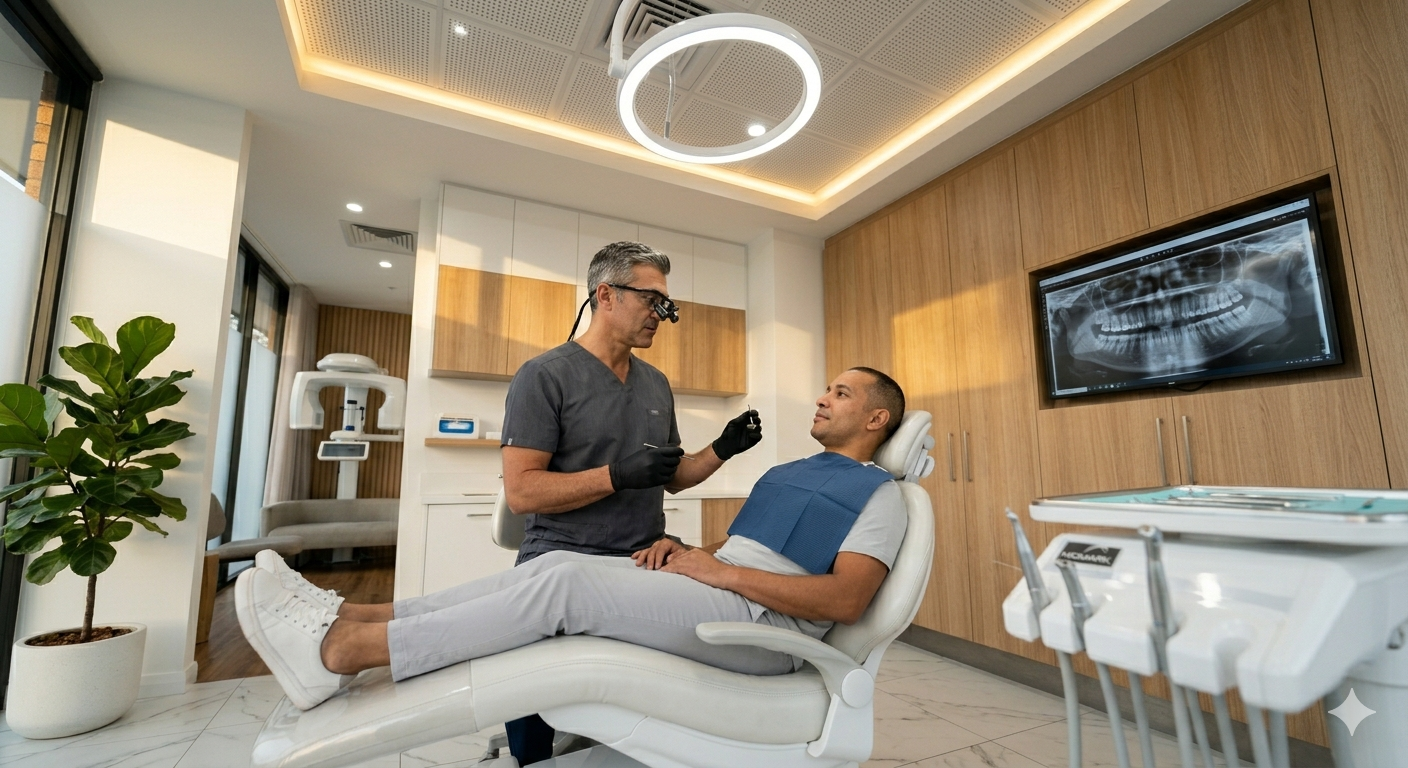
You may face a sudden toothache, a knocked-out tooth, or a damaged crown at any time, and knowing where to go in Plantation, FL, matters. If you need immediate help, contact a local emergency dentist who offers same-day care to relieve pain and stabilize your smile.
This post will walk through how to recognize true dental emergencies, the quick steps to take for tooth injuries, what to expect during an urgent visit, and how to choose a reliable emergency dentist in Plantation. It also covers payment options, prevention tips, and the next steps for restoring function and confidence so you feel prepared before an emergency happens.
Recognizing Dental Emergencies
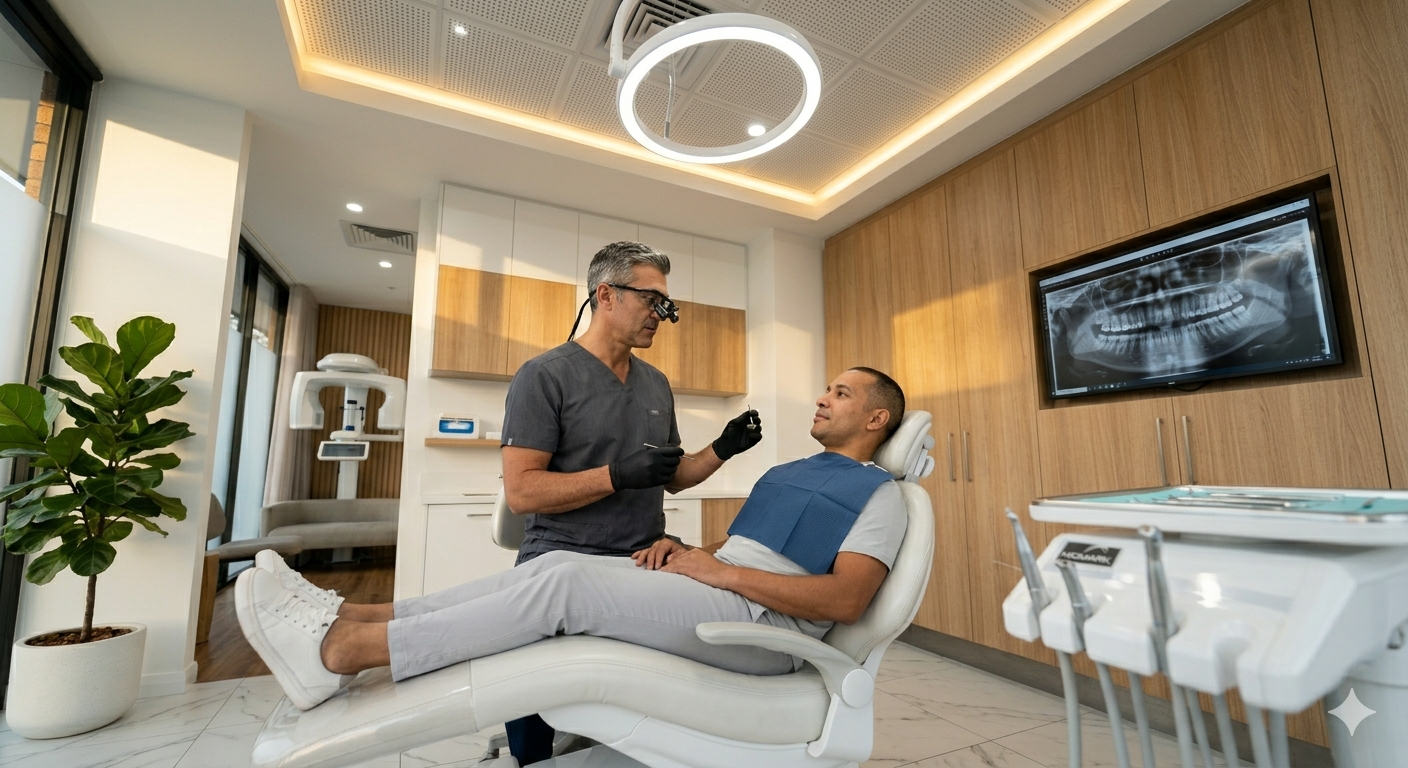
This section explains how to spot urgent dental problems, when to get immediate professional care, and practical at-home steps to reduce pain and protect teeth until treatment. It emphasizes specific signs, timelines, and simple first-aid measures.
Common Signs and Symptoms
Severe, persistent pain that wakes someone from sleep or does not respond to over-the-counter pain relievers often signals infection or nerve involvement. Throbbing pain localized to one tooth, worsening over hours, merits prompt evaluation.
Visible damage such as a knocked-out tooth, a tooth broken down to the gum line, or a crown dislodged with exposed soft tissue indicates urgent repair needs. Swelling of the face, jaw, or mouth can indicate spreading infection and sometimes restrict breathing or swallowing.
Uncontrolled bleeding after trauma or extraction that soaks more than a standard gauze pad within 20–30 minutes requires immediate attention. High fever (over 101°F/38.3°C) with dental pain suggests systemic involvement and should not be ignored.
When to Seek Urgent Help
Seek same-day care for knocked-out permanent teeth; time matters for re-implantation. The best outcomes occur if the tooth is placed back in the socket or stored properly within 30–60 minutes.
Call an urgent dental clinic or emergency room for increasing facial swelling, difficulty breathing or swallowing, severe jaw locking, or spreading redness. These signs can show a rapidly spreading infection that needs antibiotics and drainage.
Contact a dentist promptly for uncontrolled bleeding, severe trauma with bone exposure, or a loose tooth after injury. For severe pain unrelieved by analgesics, emergency root canal or extraction may be necessary to stop infection and preserve health.
Temporary At-Home First Aid
For a knocked-out permanent tooth, handle by the crown only, rinse with water (no scrubbing), and attempt to reinsert while keeping it moist in milk or saline if reinsertion is not possible. Avoid tap water prolonged soaking; see a dentist immediately.
Control bleeding by applying firm, direct pressure with sterile gauze or a clean cloth for 20–30 minutes. If bleeding persists, have the patient sit up and contact emergency care; do not use a tourniquet.
For pain or swelling, apply a cold pack on the cheek for 10–15 minutes to reduce swelling and take NSAIDs like ibuprofen if there are no contraindications. For exposed pulp or fractured teeth, cover sharp edges with dental wax or sugar-free gum to prevent soft-tissue cuts until professional treatment.
Immediate Steps for Tooth Injuries
Act quickly, stay calm, and prioritize saving the tooth, stopping bleeding, and reducing pain. The next actions depend on whether the tooth is knocked out, broken, or causing severe pain.
Managing a Knocked-Out Tooth
If a tooth is completely dislodged, find it immediately and pick it up by the crown—avoid touching the root. Rinse gently with saline or cold tap water for no more than 10 seconds; do not scrub, dry, or use soap.
If possible, reinsert the tooth into its socket and have the person bite down lightly on gauze or a clean cloth to hold it in place. If reinsertion isn’t possible, store the tooth in milk, saline, or the person’s saliva. Avoid water or antiseptics for storage.
Seek emergency dental care within 30 to 60 minutes for the best chance of saving the tooth. Keep the person calm, apply a cold pack to the cheek to reduce swelling, and give over‑the‑counter pain relief per package directions if medically appropriate.
Handling Broken or Chipped Teeth
For a small chip, rinse the mouth with warm water and apply a cold compress to reduce swelling. Save any tooth fragments in milk or saline and bring them to the dentist.
For larger breaks that expose the tooth’s inner pulp, avoid eating on that side and cover the area with dental cement or sugar-free gum if available. Rinse frequently with antiseptic mouthwash or salt water to keep the area clean until treatment.
Contact an emergency dental clinic in Plantation, FL, promptly—restorative options include bonding for minor chips, crowns for larger fractures, or root canal therapy if the pulp is exposed. Pain control with acetaminophen or ibuprofen can help while awaiting treatment.
Addressing Severe Tooth Pain
Severe, persistent tooth pain that wakes someone at night or lasts more than 24 hours may indicate infection or nerve involvement. Rinse with warm salt water and floss gently to remove trapped food particles that might be causing pain.
Apply a cold compress to the outside of the cheek in 10‑minute intervals to reduce inflammation. Use over‑the‑counter analgesics following dosing instructions; avoid placing aspirin directly on the gum, which can burn tissue.
Arrange an urgent dental appointment for diagnosis—possible treatments include antibiotics for infection, drainage of an abscess, root canal therapy, or extraction. The dentist will take X‑rays and recommend a targeted treatment plan to relieve pain and prevent complications.
Types of Dental Emergencies Treated in Plantation
Emergency dental care in Plantation addresses infections, trauma, and urgent restorative failures with quick pain relief, infection control, and same-day stabilization when possible.
Abscesses and Oral Infections
An abscess is a pus-filled pocket caused by bacterial infection of a tooth or gum. It usually presents as severe, throbbing pain localized to one tooth, facial swelling, fever, and sensitivity to biting.
Dentists in Plantation typically perform a focused exam, take periapical or panoramic X-rays, and, if needed, prescribe antibiotics to control spread before definitive care. Definitive treatments include root canal therapy to remove infected pulp or extraction of a non-restorable tooth.
Drainage of a localized abscess may be performed in-office to relieve pressure and pain quickly. Patients with systemic signs—high fever, difficulty breathing or swallowing, or spreading facial swelling—require immediate referral to emergency medicine or oral surgery for IV antibiotics and airway monitoring.
Lost Crowns and Fillings
A lost crown or filling exposes dentin and can cause sharp pain, sensitivity, and increased risk of fracture or decay progression. Patients should bring the restoration if found; many offices can recement a crown the same day if it’s intact.
When the restoration is damaged or missing for long, the tooth may need a new crown, onlay, or a temporary restoration to protect the pulp. Dentists use topical desensitizers, temporary cement, or composite buildup to reduce pain and seal the tooth until a permanent restoration is made.
If the tooth is fractured beneath the gum line or has a large carious lesion, extraction or root canal with post-and-core may be recommended to restore function and prevent further infection.
Bleeding and Swelling Concerns
Uncontrolled oral bleeding after extractions, trauma, or anticoagulant use demands prompt evaluation. Apply firm pressure with gauze for 20–30 minutes; if bleeding continues, contact the dental office or go to urgent care.
Facial or jaw swelling can signify infection, hematoma, or trauma. Clinicians assess airway risk, measure swelling progression, and may order imaging. Treatment options include incision and drainage for fluctuance, antibiotics for bacterial infections, suturing for soft-tissue lacerations, and cold compresses or NSAIDs for minor post-traumatic swelling.
Patients on blood thinners or with clotting disorders should notify the clinic immediately; providers coordinate with the patient’s physician before invasive procedures to manage bleeding risk safely.
What to Expect During Your Emergency Dental Visit
Patients can expect a focused, efficient visit that prioritizes pain control, accurate diagnosis, and immediate stabilization when needed. Staff will confirm medical history, address allergies and medications, and explain the planned steps before treatment begins.
Initial Assessment Process
On arrival, the dental team takes a brief but thorough medical and dental history, asking about pain onset, trauma details, bleeding, and recent medications. They record vital signs if a severe infection or medical risk is suspected.
The clinician performs a targeted exam: visual inspection of teeth, gums, soft tissues, and any facial swelling. Percussion, mobility testing, and bite assessment help determine whether a tooth is fractured, luxated, or periapical-infected.
Digital X-rays or a limited cone-beam CT may be taken on-site to locate root fractures or abscesses and assess bone involvement. The dentist explains findings in plain language and outlines immediate goals—pain relief, infection control, or tooth stabilization—before proceeding.
Gentle Pain Relief Options
For acute pain, clinicians typically offer a combination of local anesthesia and short-term systemic medication. A targeted nerve block or infiltration numbs the affected area within minutes, allowing safe examination and treatment.
When inflammation or infection causes severe discomfort, dentists may prescribe a short course of ibuprofen plus acetaminophen for additive effect, or a narrow-spectrum antibiotic if signs of spreading infection exist. Dosing considers patient age, weight, and current medications.
Topical anesthetics and cold compress recommendations provide home relief while definitive care is arranged. Staff will review contraindications and explain expected timelines for pain reduction.
Modern Treatment Techniques
Dentists use conservative, evidence-based techniques to stabilize teeth and control infections quickly. For crown fractures, they often perform enameloplasty or place a bonded composite restoration the same day to protect dentin and reduce sensitivity.
If the pulp is involved, a pulpotomy or definitive root canal treatment may be started immediately, depending on tooth condition and patient preference. Splinting with a flexible bonded splint stabilizes luxated or avulsed teeth while healing occurs.
For severe infections, incision and drainage plus targeted antibiotics reduce risk of spread; referrals for hospital care occur when cellulitis or airway compromise appears. The team explains each option, timelines, and follow-up steps so patients know what to expect next.
Choosing a Reliable Emergency Dentist in Plantation FL
Selecting the right emergency dentist means checking practical details that affect treatment speed, comfort, and outcomes. Prioritize proven clinical skills, transparent pricing, local availability, and familiarity with common urgent issues like knocked-out teeth, severe infections, and broken restorations.
Key Qualities to Look For
Look for a dentist with current emergency certifications and at least several years of hands-on experience managing acute dental trauma and infections. Board certifications, ACLS/BLS training for staff, and documentation of continuing education in trauma, endodontics, or oral surgery indicate preparedness.
Check patient reviews for specific emergency cases—accounts of weekend or after-hours care, pain control effectiveness, and follow-up treatment matter more than generic praise. Confirm the clinic uses digital imaging (CBCT or intraoral X-rays) for fast diagnosis and keeps a stock of materials for immediate restorations, splinting, or antibiotic/analgesic prescriptions.
Ensure transparent pricing and insurance policies before treatment begins. Clinics that offer clear emergency fees, estimates for likely follow-up care, and assistance with insurance claims reduce stress during urgent visits.
How Availability Impacts Care
Immediate access reduces risk of complications. A clinic that offers same-day appointments, late evenings, or weekend slots lowers the chance that a minor issue becomes a major infection or tooth loss.
Ask whether the dentist maintains an on-call rotation and how long typical wait times are for walk-ins. Some practices guarantee triage within an hour or have dedicated emergency blocks; those policies speed pain relief and definitive treatment.
Confirm whether the office provides both urgent temporary stabilization and scheduled definitive care. Practices that coordinate extraction, root canal, or crown placement within a short window minimize repeat visits and restore function faster.
Benefits of Local Expertise
Local dentists understand Plantation’s patient population and nearby referral networks. Practitioners who collaborate with nearby endodontists, oral surgeons, and hospitals streamline urgent transfers when advanced care or sedation is needed.
Familiarity with area pharmacies and lab turnaround times helps clinics source antibiotics, pain meds, and custom restorations quickly. That practical knowledge shortens recovery time and reduces delays between emergency visit and final treatment.
Community-rooted dentists also know local dental histories and common risk factors—such as water fluoridation levels or local sports-related trauma patterns—which informs tailored preventive advice and follow-up plans. They can recommend nearby specialists or support services, making the entire emergency-to-recovery path smoother for the patient.
Tips for Preventing Future Dental Emergencies
Focus on daily habits, protective gear, and regular dental visits to reduce the chance of chipped teeth, lost fillings, and severe tooth pain. Small, specific changes often prevent urgent trips to emergency dental clinics in Plantation, FL.
Best Practices for Oral Hygiene
They should brush twice daily for two minutes with a soft-bristled toothbrush and fluoride toothpaste. Brushing technique matters: use gentle circular motions along the gumline to remove plaque without abrading enamel.
Flossing once a day cleans between teeth where toothbrushes miss. If traditional floss is difficult, interdental brushes or a water flosser work well for tight contacts and around crowns or bridges.
Use an alcohol-free fluoride mouthwash after brushing to strengthen enamel and reduce bacteria. Replace the toothbrush every three months or sooner after illness. Schedule a professional cleaning every 3–6 months if gum disease or heavy buildup exists.
Protective Measures for Active Lifestyles
They should wear a custom-fitted mouthguard for contact sports or high-impact activities. Boil-and-bite guards are better than none, but a dentist-made guard offers superior fit and protection against tooth fractures and jaw injuries.
Avoid using teeth as tools to open bottles, tear packaging, or hold items; such habits cause chips and cracked teeth. For nighttime grinders, a nightguard prescribed by a dentist prevents wear, tooth mobility, and emergency fractures.
Limit hard, sticky foods like ice, unpopped popcorn kernels, and taffy. If a tooth feels loose or a filling feels high after eating, call the dental office promptly to prevent worsening damage.
The Importance of Regular Check-Ups
They should book routine exams every six months or follow a dentist’s recommended interval based on risk factors. These visits detect small issues—hairline cracks, failing restorations, early decay—before they become emergencies.
Digital X-rays and intraoral cameras catch hidden problems early, allowing same-day fixes like replacement fillings or smoothing a rough bite. Discuss any chronic pain, sensitivity to cold, or recent trauma at each visit; documenting symptoms helps prioritize care.
Maintain clear communication about medical history and medications. Conditions like diabetes or osteoporosis and drugs that cause dry mouth increase emergency risk, and the dentist can tailor preventive strategies accordingly.
Insurance and Payment Options for Emergency Dental Care
Patients often worry about cost when a dental emergency happens. Many Plantation practices accept major dental insurance plans and verify benefits quickly to reduce uncertainty.
They should call their insurer before treatment when possible. Verifying coverage can clarify deductible, copay, and whether emergency exams, X-rays, or procedures are covered.
Most offices offer several payment methods: credit/debit cards, cash, and online payments. Some clinics accept CareCredit or similar medical credit lines to spread out costs for larger procedures.
A common option is a sliding scale or discounted self-pay fee for uninsured patients. Clinics may also provide a written estimate and prioritize treatment to address pain first, then plan follow-up restorative care.
Below is a quick checklist patients can use before arriving:
- Insurance ID and policy number
- Emergency contact and method of payment
- Any prior authorization paperwork, if required
They should ask the front desk about payment plans and whether urgent visits require full payment up front. Staff can often explain estimates in plain language and help file claims on the patient’s behalf.
Encourage patients to call their local Plantation dental office with insurance questions or to discuss financing; staff can provide personalized guidance and next steps.
Next Steps: Restoring Your Smile and Confidence
After emergency treatment, the dental team will review options for restoring function and appearance. They assess damage, discuss timelines, and outline immediate and long-term choices so patients know what to expect.
Common restorative options include crowns, bridges, implants, and bonded fillings. Crowns protect fractured teeth; implants replace missing teeth; bonded fillings repair chips with natural-looking results.
Many practices offer sedation and local anesthesia to keep patients comfortable during restorative care. Pain management plans and follow-up visits are scheduled to monitor healing and adjust treatment as needed.
Insurance, financing plans, and care timelines vary, so staff explain costs and payment options clearly. Patients can request a written estimate and compare treatments before committing.
Preventive steps reduce future emergencies: wear a night guard for grinding, use a mouthguard for sports, and maintain routine cleanings. Simple daily habits help protect restorations and overall oral health.
If questions remain or anxiety persists, dental teams encourage a consultation to review options and create a personalized plan. Contact the office to schedule a follow-up, request financial details, or discuss comfort measures.
Frequently Asked Questions
This section lists practical steps, typical costs, and immediate actions for common dental emergencies in Plantation, FL. It covers when to visit an ER, how to get after-hours care, first-aid for broken or lost teeth, pain relief at home, what happens during an emergency visit, and typical payment options.
What counts as a true dental emergency, and when should I go to the ER instead of a dentist?
A true dental emergency includes uncontrolled bleeding, severe facial swelling that affects breathing or swallowing, traumatic head injury with dental damage, or a loose tooth after major facial trauma. These situations can threaten airway, breathing, or circulation and require emergency department care.
Severe pain, a knocked-out permanent tooth, visible bone exposure, or a spreading infection with fever often need urgent dental treatment but can be treated by an emergency dentist. If there is no airway or breathing risk and the patient is stable, call a local emergency dental office in Plantation first.
How can I get help if I need a dentist after hours or on the weekend?
Many Plantation dental clinics offer after-hours lines or on-call emergency dentists; call the clinic phone number listed on its website. Local urgent care centers sometimes coordinate with dentists for dental infections but usually cannot replant knocked-out teeth.
Check your dentist’s voicemail or website for an emergency protocol, and use dental directories or your insurance’s emergency dentist locator if you don’t have a regular provider. For immediate life-threatening issues, call 911 or go to the nearest ER.
What should I do right now if I chip, crack, or knock out a tooth?
For a chipped or cracked tooth, rinse the mouth gently with warm water and apply a cold pack to the outside cheek to reduce swelling. Save any broken pieces and bring them to the dentist; small chips may be repaired with bonding or a veneer, larger cracks might need a crown.
If a permanent tooth is knocked out, pick it up by the crown only, rinse briefly if dirty, and try to put it back in the socket if possible. If reinsertion isn’t possible, keep the tooth moist in milk or a tooth-preservation kit and see an emergency dentist within 30–60 minutes for the best chance at replantation.
How can I quickly calm severe tooth pain at home until I’m seen by a dentist?
Rinse the mouth with warm salt water to reduce bacteria and soothe tissues. Use over-the-counter ibuprofen for inflammation and pain unless medically contraindicated; follow dosing instructions carefully.
Apply a cold pack to the cheek for 10–15 minutes to reduce swelling and numb pain. Avoid placing aspirin directly on the tooth or gums; that can cause tissue burns.
What happens during an emergency dental visit, and how do dentists keep the process comfortable?
The dentist will take a focused history, examine the mouth, and often take X-rays to assess fractures, abscesses, or root damage. Treatment may include pain control, temporary splinting, tooth replantation, drainage of an abscess, or extraction if the tooth cannot be saved.
Dentists use local anesthesia to numb the area and can offer nitrous oxide or oral sedation when appropriate and available. Staff explain each step, discuss treatment options, and provide written aftercare instructions before discharge.
How much does an emergency dental appointment typically cost, and what payment or insurance options might be available?
Initial exam and X-rays at an emergency visit in Plantation commonly range from $100–$300 without insurance, depending on services used. Procedures vary widely: a simple extraction might cost $150–$450, root canal therapy $600–$1,200 per tooth, and tooth replantation or complex surgery can be more.
Most dental insurance plans cover emergency exams and some treatments; patients should call their insurer and bring ID and insurance details. Many clinics accept credit cards, CareCredit, or offer payment plans for larger bills and will provide cost estimates before non-urgent procedures.
Contact a local Plantation emergency dental office promptly for specific availability, pricing, and to schedule an urgent evaluation.