
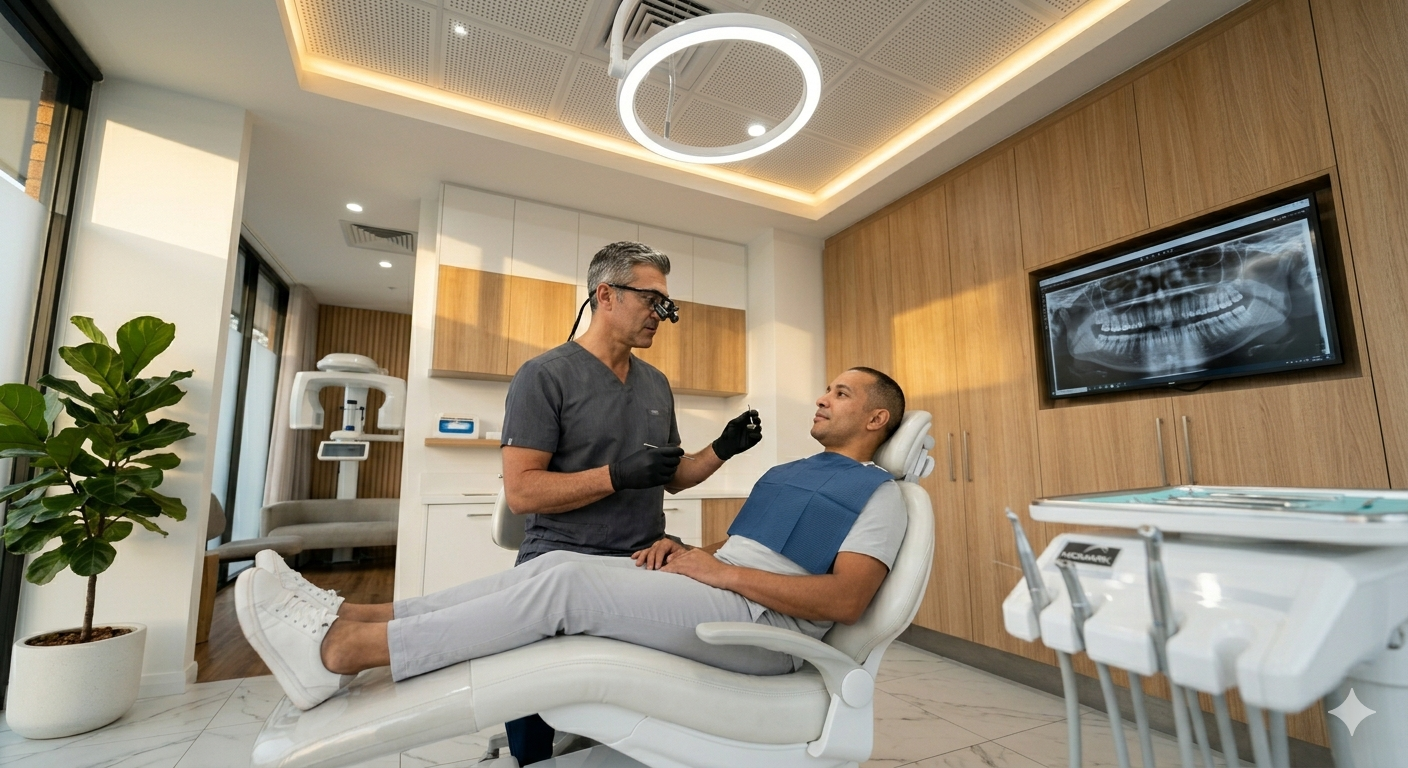
Finding affordable dental implants in Plantation, FL, can feel overwhelming, but it doesn’t have to be. Many local dental offices offer quality implant options that balance cost with lasting results. Affordable dental implants are available in Plantation by choosing experienced providers who use modern techniques to reduce expenses without sacrificing care.
Dental implants are a durable, natural-feeling solution for missing teeth, improving both function and confidence. Patients often worry about the price, but understanding the procedure, financing options, and local pricing trends can make the decision easier. Knowing what to expect helps people find implants that fit their budget and lifestyle.
If someone wants a reliable tooth replacement without breaking the bank, Plantation’s dental community offers options worth exploring. A consultation with a trusted dentist can clarify pricing and tailor a treatment plan designed around patient comfort and affordability.
Understanding Dental Implants
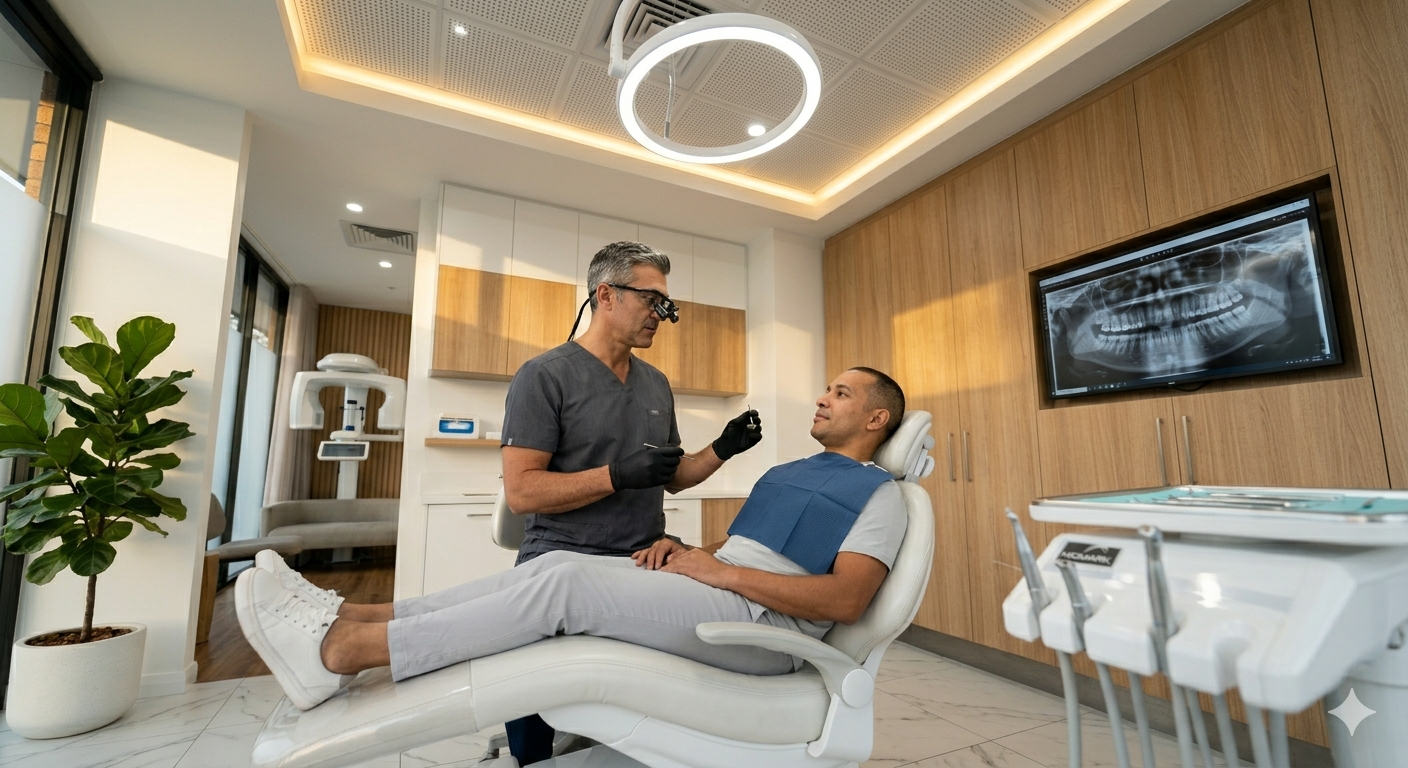
Dental implants provide a reliable way to replace missing teeth with durable, natural-looking solutions. They consist of several parts that work together to restore both function and appearance. Understanding what implants are, how they work, and the different types available can help patients make informed decisions.
What Are Dental Implants?
Dental implants are small titanium posts surgically placed into the jawbone. They act as artificial tooth roots, providing a stable foundation for replacement teeth like crowns, bridges, or dentures. Because titanium fuses with bone through a process called osseointegration, implants offer strong, long-lasting support.
Unlike dentures that can slip or cause discomfort, implants stay firmly in place. This helps improve chewing ability and speech. They also prevent bone loss in the jaw by stimulating the bone tissue, which is important for maintaining facial structure. Implants are designed to look and feel very natural.
How Dental Implants Work
The implant process starts with a dentist or oral surgeon placing the titanium post into the jawbone under local anesthesia. Over several months, the bone grows around the implant, anchoring it securely. Once healed, an abutment is attached, which connects the implant to the visible replacement tooth.
This multi-step approach ensures the implant is stable enough to handle daily bite forces. After the abutment is placed, a custom dental crown or bridge is attached, matching the shape and color of nearby teeth. This final restoration restores full tooth function and aesthetic appeal.
Regular dental visits help monitor healing and maintain implant health. With proper care, implants can last 20 years or more. Patients are advised to maintain good oral hygiene to prevent infection around the implant area.
Types of Dental Implants Available
There are several types of dental implants to suit different needs:
- Endosteal Implants: The most common type, placed directly into the jawbone. Suitable for patients with healthy bone structure.
- Subperiosteal Implants: Inserted under the gum but on or above the jawbone. Often used when bone height is insufficient for endosteal implants.
- All-on-4 Implants: A full arch of teeth supported by just four implants. Provides a fixed denture option for people missing many teeth.
Implants also vary by material, but titanium remains the gold standard for durability and compatibility. Zirconia implants are an alternative for those with metal sensitivities.
A dentist will recommend the best type based on bone health, number of teeth to replace, and patient preferences.
Benefits of Choosing Dental Implants
Dental implants offer a reliable solution for tooth loss that combines function, appearance, and long-term health. They integrate with the jawbone, providing stability and a natural feel while helping maintain oral structure. These benefits often make implants a preferred choice over bridges or dentures.
Natural Look and Feel
Dental implants are designed to mimic real teeth closely. The implant post fuses with the jawbone, creating a sturdy base that feels like a natural tooth root. This fusion means implants don’t slip or move like dentures, offering comfort during speaking and eating.
The crown placed on top of the implant is custom-made to match the color, shape, and size of surrounding teeth. This helps the implant blend seamlessly into the smile. Many patients find they forget they even have an implant because of how natural it looks and feels.
Improving Oral Health
Unlike bridges, dental implants do not require altering nearby teeth. This helps preserve the health and structure of adjacent teeth. The implant also supports the jawbone, preventing bone loss that can cause facial sagging or changes over time.
Implants make it easier to maintain good oral hygiene. Since they act like natural teeth, patients can brush and floss normally, reducing the risk of gum disease and tooth decay. This contributes to healthier gums and overall oral health.
Boosting Confidence
Losing teeth often affects how people feel about their appearance. Dental implants restore a complete smile, which can significantly boost self-esteem. They allow people to smile, talk, and eat in public without worrying about dental issues.
Because implants don’t slip or click like dentures, patients feel more secure in social situations. This increased confidence often improves quality of life, encouraging more social interaction and better overall emotional well-being.
Finding Affordable Dental Solutions in Plantation
Many options exist in Plantation to make dental implants more affordable, including local clinics, payment choices, and insurance tips. Understanding these avenues helps patients manage costs without sacrificing quality or comfort.
Local Providers and Community Resources
Plantation has several dental clinics known for competitive pricing on implants. Some offer special discounts for new patients or bundle services like consultations and x-rays in implant packages.
Community health centers occasionally provide reduced-cost dental care for eligible residents. Nonprofits and dental schools nearby may also offer affordable treatment options performed by supervised students, which lowers service costs.
Patients should research providers’ credentials and read reviews to ensure they receive reliable care. Visiting multiple clinics for consultations can help compare prices and services before deciding.
Payment Plans and Flexible Options
Many dental offices in Plantation understand the expense implants represent and offer payment plans to ease the financial burden. These plans typically divide the total cost into monthly installments with little or no interest.
Some providers partner with third-party financing companies that allow patients to apply for credit dedicated to medical expenses. Approval usually depends on credit score, but options exist for different financial situations.
It’s helpful to ask about any hidden fees or required down payments upfront. Flexibility in scheduling payments can also make managing costs less stressful.
Insurance and Financing Guidance
Dental insurance may cover part of the implant process, but policies vary widely. Patients should check if their plan includes benefits for implants, associated surgeries, or prosthetics.
For those without insurance, Health Savings Accounts (HSAs) or Flexible Spending Accounts (FSAs) offer tax advantages to save on dental costs. These accounts let patients set aside money pretax for medical expenses.
Financial advisors at dental offices can assist in navigating insurance claims and explain options like low-interest loans specifically designed for healthcare. Taking time to understand coverage maximizes value and reduces out-of-pocket spending.
The Dental Implant Procedure: What to Expect
Getting dental implants involves several important steps designed to restore your smile with lasting results. The process includes careful planning, surgery, and recovery, all while keeping patient comfort and healing in focus.
Step-by-Step Process
The procedure starts with a thorough dental exam and imaging to assess bone health. Next, the implant surgeon places a titanium post into the jawbone. This acts as the new tooth root.
After placement, a healing period allows the bone to fuse with the implant through osseointegration. This usually takes 3 to 6 months. Then, an abutment is attached to the implant. Finally, a custom crown is fitted to match the surrounding teeth for a natural look.
Each step is done with precision to ensure the implant is stable and functional long-term.
Timeline from Consultation to Smile
First, the patient visits the dentist for consultation and imaging—usually X-rays or a CT scan. This takes about one hour. During this appointment, the dentist creates a customized treatment plan.
The implant surgery is scheduled after any necessary tooth extractions or bone grafts heal, which might add weeks to the timeline. After implant placement, patients wait 3 to 6 months for healing. During this time, temporary restorations can be used.
Once healed, the final crown is placed in one or two appointments over a few weeks. The entire process typically spans 4 to 9 months depending on individual needs.
Ensuring Comfort and Care During Treatment
Patient comfort is a top priority throughout treatment. Local anesthesia is used to numb the area during surgery. Sedation options are available for nervous patients.
After surgery, patients receive detailed care instructions including pain management and oral hygiene tips. Follow-up visits monitor healing and address any concerns quickly.
The dental team encourages open communication to make the experience as smooth and stress-free as possible. This approach helps patients feel confident and cared for every step of the way.
Who Is a Good Candidate for This Treatment?
Dental implants require a certain level of oral health and overall wellness to be successful. Candidates should understand the factors that contribute to strong implant support and recognize common health concerns that might affect their treatment.
Requirements for Success
Good candidates usually have healthy gums and enough jawbone density to anchor the implants securely. Sufficient bone mass is crucial because the implant fuses with the bone, creating a stable foundation for the replacement tooth.
Healthy habits like regular brushing, flossing, and avoiding smoking also improve the chances of a successful implant. Age alone isn’t a barrier; rather, overall oral health and hygiene make the biggest difference.
During consultation, the dentist may order X-rays or 3D scans to assess bone structure. If bone is lacking, bone grafts or other preparatory procedures might be recommended before implant placement.
Addressing Common Medical Concerns
Certain medical conditions can impact healing and implant success. Diabetes, for example, must be well controlled to reduce infection risk and support tissue recovery.
Autoimmune diseases and medications that affect bone healing or immunity may require special evaluation. Patients should provide full medical history and discuss current medications openly with their dentist.
For smokers, quitting is highly encouraged before and after the procedure as smoking reduces blood flow to the gums and slows healing. Those with untreated gum disease must address these infections first to prevent implant failure.
Clear communication with the dental team helps manage risks and tailor the treatment plan to individual health needs.
Caring for Your New Implant
Proper care after getting a dental implant is essential to keep it healthy and functioning well. This involves regular cleaning and professional checkups to protect the surrounding gums and bone from infection or damage.
Everyday Oral Hygiene Tips
Keeping implants clean starts with daily brushing and flossing. Use a soft-bristle toothbrush to gently clean around the implant without irritating the gums. It’s best to brush twice a day with non-abrasive toothpaste to avoid scratching the implant surface.
Floss carefully around the implant using implant-specific floss or interdental brushes. This removes food particles and plaque that regular brushing can miss. Rinsing with an antimicrobial mouthwash can reduce bacteria and help maintain gum health. Avoid hard or sticky foods that might stress the implant or crown.
Long-Term Maintenance
Regular dental visits are crucial for implant care. A dentist or hygienist will perform professional cleanings and check the implant’s stability and gum health. They may use special tools designed to clean implants without damaging the surface.
X-rays during checkups help monitor the bone supporting the implant. Patients should report any pain, swelling, or unusual changes as soon as possible. Keeping routine appointments ensures the implant lasts for many years and prevents complications before they start.
Comparing Implants to Other Tooth Replacement Options
Choosing the right tooth replacement can feel overwhelming. Understanding how dental implants compare to dentures and fixed bridges helps patients make informed decisions about comfort, durability, and cost.
Pros and Cons of Dentures
Dentures are a popular option for restoring multiple missing teeth because they are usually the most affordable upfront. They are removable, which makes cleaning easier but can also feel unstable, especially lower dentures. Many people find dentures affect their speech and eating comfort.
On the downside, dentures don’t prevent jawbone loss since they rest on the gums rather than integrating with the bone. They often require adjustments and replacement every 5 to 7 years. While affordable, dentures may not offer the same natural look and feel as implants.
Fixed Bridges Versus Implants
Fixed bridges use the neighboring teeth as anchors, requiring those healthy teeth to be filed down. This process can weaken the supporting teeth over time. Bridges restore chewing and appearance better than dentures but don’t stop bone loss under the missing tooth area.
Implants, on the other hand, anchor directly into the jawbone, promoting bone health and lasting longer with proper care. Though implants may have a higher initial cost, they usually require fewer replacements and less maintenance. Patients seeking a stable, long-term solution often find implants to be a better fit overall.
Improving Access to Quality Care in Plantation, FL
Plantation offers a growing number of dental clinics focused on making implants affordable and accessible. Many practices now accept various insurance plans and provide flexible payment options to ease financial concerns.
Local dentists emphasize patient comfort throughout treatment. They use the latest technology for precise implant placement, reducing recovery time and discomfort.
Community programs and dental schools in Plantation sometimes offer discounted services. These options help those without insurance or with limited budgets receive quality care.
Here’s what patients in Plantation can expect when seeking dental implants:
- Personalized treatment plans tailored to individual needs
- Clear explanations about each step and possible costs
- Friendly staff focused on patient comfort
- Modern tools that improve healing and outcomes
By prioritizing accessibility and transparency, dental offices in Plantation ensure that affordable implants don’t mean sacrificing quality. Patients are encouraged to ask questions and explore all available options to find a solution that fits their budget and lifestyle.
Next Steps Toward a Healthier Smile
Taking the first step toward affordable dental implants in Plantation, FL, begins with a simple consultation. The dental team will assess the patient’s oral health, discuss options, and create a personalized treatment plan.
Patients can expect clear explanations about the implant process, costs, and timeline. This helps reduce any worries and sets realistic expectations.
Before the procedure, a thorough cleaning and any necessary preliminary treatments keep the mouth ready for implants. Following the implant placement, regular check-ups and good oral hygiene are essential to ensure success.
Here’s a quick checklist for patients considering implants:
- Schedule a dental consultation
- Discuss budget and financing options
- Complete any pre-implant treatments
- Understand the implant procedure and aftercare
- Commit to follow-up visits and daily oral care
With each step, the focus remains on patient comfort and achieving lasting results. Friendly dental experts are ready to answer questions and support every stage of the journey toward a confident, healthy smile.
Frequently Asked Questions
Understanding what affects the cost and process of dental implants can help patients make informed decisions. Knowing about payment options, treatment comfort, and finding the right dentist supports a smoother experience.
What factors can make the total cost of dental implants higher or lower for my specific smile?
The number of implants needed and any preparatory work like bone grafts can change the price. Implant type, location of the dental office, and the materials used also affect costs.
If I’m on a tight budget, what payment plans or financing options are usually available for implants?
Many clinics offer monthly payment plans or partner with third-party lenders for financing. Some dental offices provide interest-free periods or sliding scales depending on income.
Are there safe, lower-cost alternatives to a traditional implant, and how do I know what’s right for me?
Options like mini implants or implant-supported dentures may cost less but are not suitable for everyone. A dentist will assess bone density and oral health to recommend the best choice.
How do I tell the difference between a good value and a deal that could risk my comfort or long-term results?
Look for credentials, patient reviews, and whether the clinic uses modern technology. Extremely low prices with no explanations can sometimes mean lower-quality materials or inexperienced providers.
What does the implant process feel like, and what can I expect for comfort during and after treatment?
Local anesthesia keeps the area numb during surgery, so patients usually don’t feel pain. Mild discomfort and swelling may occur after, and dentists can recommend pain management options.
How can I find a dentist who respects my faith and preferences, like a Muslim-friendly practice, without compromising on implant quality?
It helps to ask about the office’s approach to dietary laws or prayer space accommodations. Many dentists are happy to discuss cultural needs while maintaining high clinical standards.