
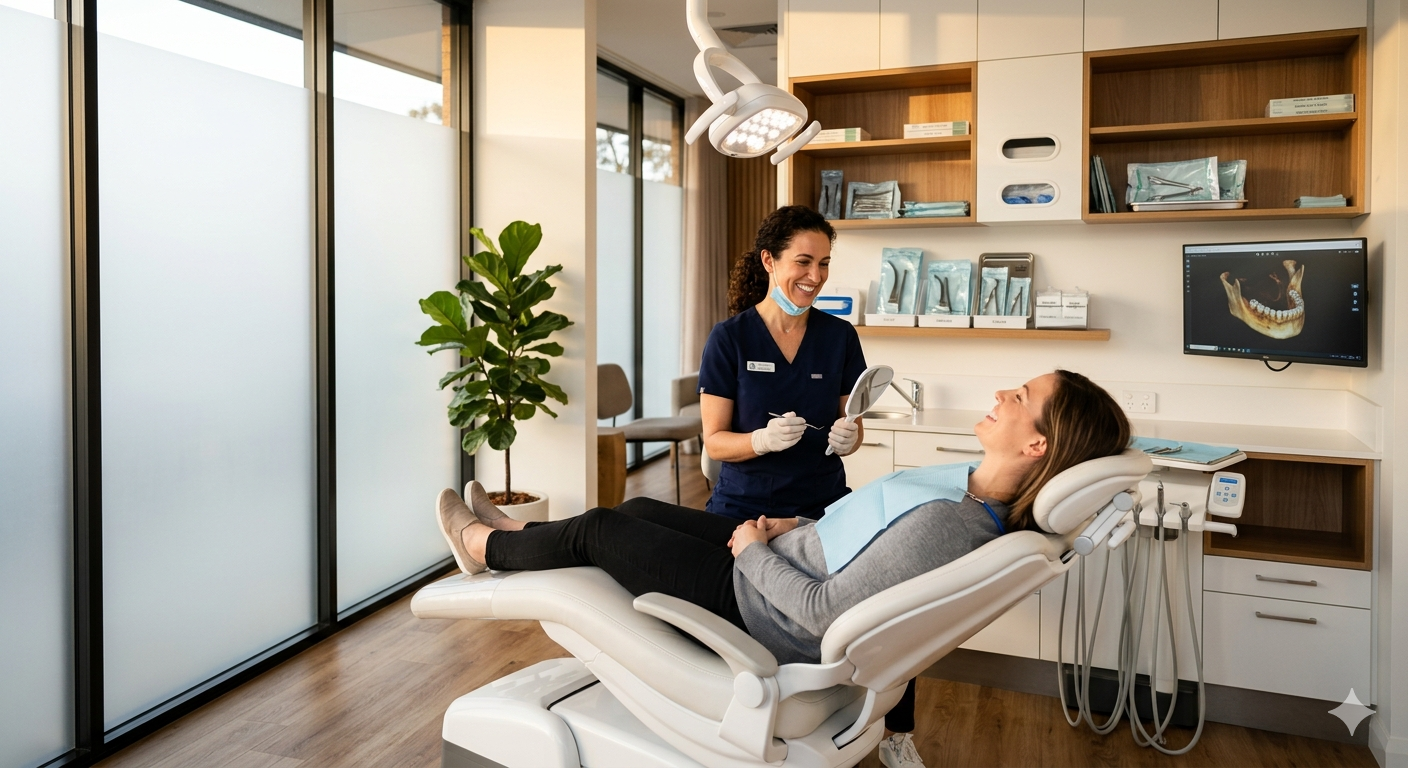
When a dental emergency strikes in Plantation, FL, knowing where to turn can make all the difference. Whether it’s a sudden toothache, a knocked-out tooth, or a painful infection, quick access to professional care is essential. Emergency dental care in Plantation is designed to provide timely treatment that relieves pain and prevents further damage to your smile.
Local dentists understand that emergencies don’t wait for office hours. Many offer same-day appointments and walk-in options to address urgent needs without long waits. They combine gentle care with advanced techniques to ensure patients feel comfortable and secure throughout the process.
If you or a loved one faces a dental emergency, it’s important to act promptly and reach out to skilled professionals in Plantation. They can offer clear guidance on what to do immediately and provide expert treatment to restore your oral health quickly.
Recognizing Dental Emergencies
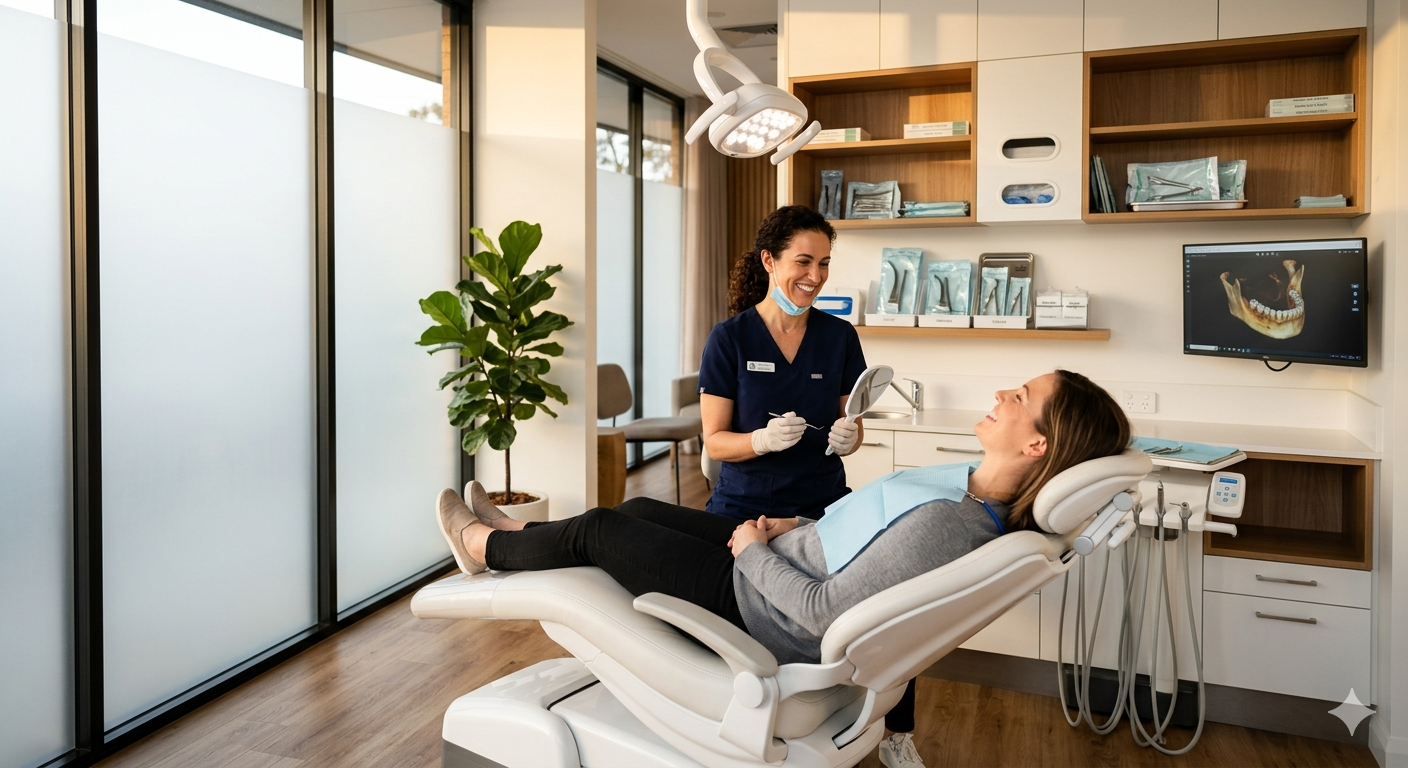
Knowing what signs point to a dental emergency can help patients act quickly and avoid worsening problems. Some symptoms require urgent care while others can wait for a regular appointment. Distinguishing between these makes it easier to get the right help at the right time.
Common Urgent Symptoms
Severe tooth pain, especially if it’s sudden and persistent, often signals an emergency. This could mean an infection, nerve damage, or severe decay. Other urgent symptoms include a knocked-out tooth, broken or chipped teeth that expose nerves, and uncontrollable bleeding after injury.
Swelling in the face or gums that worsens quickly should never be ignored. It might indicate an infection spreading beyond the tooth, which needs prompt treatment to prevent complications. Difficulty breathing or swallowing alongside dental pain demands immediate emergency care.
When to Seek Immediate Care
Immediate care is necessary when a tooth has been completely knocked out, known as an avulsed tooth. Time is critical; professional reimplantation is most successful if done within an hour. Also, intense pain that doesn’t ease with over-the-counter pain relievers or lasts for more than a day should prompt evaluation.
Uncontrolled bleeding after oral trauma or invasive procedures requires quick attention. Similarly, sudden swelling that restricts jaw movement or causes fever signals infection or abscess needing urgent treatment. In these cases, waiting for a regular appointment can cause serious health risks.
Differences Between Routine and Emergency Issues
Routine dental issues include mild toothaches or minor sensitivity that comes and goes. These can usually be managed with home care and scheduled for a normal dental visit. Cosmetic concerns, like slight cracks without pain, also fall into non-urgent care.
Emergency problems often have distinct symptoms: intense pain, active bleeding, swelling, or trauma impairing function. Unlike routine issues, emergencies need timely intervention to prevent damage or alleviate severe discomfort. Understanding these differences helps prioritize when to call the dentist’s emergency line.
What to Do in a Dental Crisis
Knowing how to respond promptly can ease pain and improve outcomes in dental emergencies. Quick action often makes a big difference, whether dealing with sudden pain, injury, or infection.
Immediate Steps for Toothaches
For a sudden toothache, rinsing the mouth with warm water helps clear debris. Using dental floss gently can dislodge anything stuck between teeth. Avoid putting aspirin or other medicines directly on the gums, as this can cause irritation.
Applying a cold compress on the cheek near the sore area reduces swelling and dulls the pain. Over-the-counter pain relievers like ibuprofen can help manage discomfort temporarily. If the pain persists or worsens, seeking emergency dental care in Plantation FL is important to address the cause and prevent infection.
Handling Knocked-Out or Broken Teeth
If a tooth gets knocked out, time is crucial. Find the tooth and pick it up by the crown (the chewing surface), not the root, to avoid damaging cells needed for reattachment. Rinse the tooth gently with milk or saline solution but avoid scrubbing.
Try to place the tooth back into the socket, if possible, holding it in place by biting down on a clean cloth. If reinsertion isn’t feasible, keep the tooth moist by storing it in milk or saliva. Visit an emergency dentist immediately; rapid treatment increases the chance of saving the tooth.
For broken teeth, rinse the mouth to clean any debris. Save any large fragments and bring them along to show the dentist. Avoid chewing on the affected side and use a cold pack to minimize swelling.
Managing Swelling and Infections
Swelling often signals infection or injury requiring prompt care. Applying a cold compress for 10-15 minutes every hour helps reduce swelling initially. If swelling worsens or spreads, or if fever develops, immediate dental evaluation is necessary.
Rinse the mouth with warm saltwater several times a day to soothe irritated tissues and aid healing. Avoid hot or very cold foods, which may increase discomfort. Never ignore signs of infection because untreated dental infections can spread to other areas and cause serious health issues.
Contacting a Plantation emergency dentist quickly ensures proper treatment, including antibiotics or drainage if needed, to stop infection from progressing.
How Emergency Dentists Help
Emergency dentists in Plantation, FL, focus on relieving pain quickly and preventing further damage to teeth and gums. They use a variety of treatments tailored to each situation. Their goal is to restore function and comfort as soon as possible.
Treatment Options for Acute Pain
When a patient experiences severe dental pain, the first step is often pain relief. Emergency dentists can provide medications like analgesics or prescribe antibiotics if infection is present. They may use local anesthesia for immediate numbness during treatment.
Common causes of acute pain include tooth infections, cracked teeth, or exposed nerves. Dentists perform quick exams and often take X-rays to understand the source. This allows precise treatment such as draining abscesses or smoothing out sharp edges that hurt the tongue or cheek.
They also advise on home remedies to manage pain before the visit, like rinsing with warm salt water or using cold compresses to reduce swelling.
Restorative Procedures Available Same Day
Many emergency dental offices in Plantation offer same-day restorations to avoid multiple visits. Treatments include dental crowns, fillings, and root canal therapy when necessary.
For chipped or broken teeth, dentists often place a bonded filling or temporary crown to protect the tooth. In cases of severe decay or nerve damage, root canal treatment removes infection and saves the tooth.
They have advanced tools like digital scanners and milling machines that speed up crown creation, meaning less waiting time. This setup makes it possible to restore both appearance and function during the same appointment.
Emergency dentists prioritize preserving natural teeth whenever possible, improving long-term oral health.
Comfort-Focused Approaches
Patient comfort is a top priority during emergency visits. Dentists use gentle techniques and explain each step to reduce anxiety. Sedation options, such as nitrous oxide or oral sedatives, are available for fearful patients.
The office environment is designed to feel welcoming, with friendly staff ready to assist. They also schedule appointments promptly to avoid long waits, which helps ease stress.
After treatment, emergency dentists provide clear instructions for pain management and healing at home. Follow-up calls or visits are common to ensure the patient recovers comfortably without complications.
Aftercare and Recovery Tips
Proper care after emergency dental treatment is crucial to support healing and prevent further issues. Managing the treated area gently and controlling pain effectively will help patients return to normal activities faster.
Caring for Treated Areas
Patients should avoid touching or disturbing the treated area with their fingers or tongue. It’s important to keep the mouth clean but be gentle when brushing near the site, using a soft-bristled toothbrush to prevent irritation.
Rinsing with warm salt water starting 24 hours after treatment helps reduce swelling and bacteria. Patients should avoid smoking, using straws, or eating hard, crunchy foods for at least a few days, as these can disrupt healing or dislodge blood clots.
If stitches are present, follow the dentist’s instructions carefully about their care and removal, and never try to remove them on your own. Regular hydration and sticking to soft foods like yogurt or soup will provide nourishment without stressing the area.
Pain Management at Home
Over-the-counter pain medications, like ibuprofen or acetaminophen, are commonly recommended to manage discomfort. Patients should follow dosing instructions closely and avoid combining multiple pain relievers without consulting a healthcare professional.
Applying a cold compress to the outside of the cheek for 15-minute intervals during the first 24-48 hours can reduce swelling and numb pain. After swelling decreases, warm compresses may help loosen tight muscles around the jaw.
Patients should avoid strenuous exercise or heavy lifting immediately following treatment, as increased blood pressure can worsen pain or bleeding. If pain worsens or does not improve within a few days, they should contact their dentist promptly for further guidance.
Modern Dental Technology for Emergencies
Emergency dental care in Plantation, FL, relies on cutting-edge tools to quickly diagnose and treat urgent issues. These technologies not only speed up the treatment process but also reduce discomfort and improve accuracy.
Advanced Diagnostic Techniques
Dentists use advanced methods like intraoral cameras and 3D cone beam imaging to get a complete view of dental emergencies. These tools provide detailed images of teeth, roots, and surrounding bone structures, revealing problems not visible to the naked eye.
Intraoral cameras help patients see what the dentist sees, making it easier to understand their condition. Meanwhile, 3D imaging allows for precise planning in complex cases like fractures or implants. These diagnostics minimize guesswork, speeding up treatment while avoiding unnecessary procedures.
Benefits of Digital X-Rays
Digital X-rays are safer and faster than traditional ones, exposing patients to less radiation. They produce clear, instant images that can be enhanced on screen for better visibility.
These X-rays allow the dentist to identify issues such as tooth decay, abscesses, or bone damage quickly. Since images are available immediately, emergency care starts without delay. Digital storage also means easy access to past records, helping track progress or make comparisons during follow-ups. This technology supports a smoother, more efficient emergency visit.
Insurance and Payment Information
Understanding how costs are handled and what payment options are available can help reduce stress during a dental emergency. Clear information about insurance acceptance and flexible payment plans eases the process of getting timely care.
Understanding Emergency Visit Costs
Emergency dental visits often involve different fees than routine appointments. Patients in Plantation, FL, typically see charges for the initial examination, X-rays, and urgent treatments like tooth extractions or root canals.
Insurance plans vary significantly, so it’s important to verify coverage ahead of time. Many providers accept most major dental insurance plans, but benefits for emergency care may differ. Patients should ask if their insurance covers urgent procedures or if there are co-pays and deductibles involved.
Out-of-pocket costs can be minimized by checking benefit details or taking advantage of in-house financing options when coverage is limited.
Flexible Payment Options
To accommodate urgent dental needs, Plantation dental offices often offer multiple payment methods, including credit cards, debit cards, and cash. Many also provide flexible financing plans through third-party vendors.
These plans can spread out payments over several months with little or no interest, which is especially helpful for unexpected expenses. Patients can inquire about discounts for upfront payments or family packages to make care more affordable.
Clear communication about payment expectations before treatment helps patients focus on healing without financial worries.
Choosing a Trustworthy Dental Partner
When searching for emergency dental care in Plantation, FL, trust is key. A reliable dental partner offers not just skill but also comfort and clear communication. Patients feel more at ease knowing their dentist listens and explains treatment options in simple terms.
Look for dentists who prioritize patient comfort and use up-to-date technology. Modern tools mean quicker, less painful procedures. It also reflects a dental office’s commitment to quality care and ongoing education.
Credentials matter, but so does accessibility. A good emergency dental provider will have flexible hours and a straightforward appointment process. Quick response times can make a big difference during dental emergencies.
Here are a few points to consider:
- Licensed and experienced professionals
- Friendly, reassuring staff
- Clear explanation of treatments
- Use of modern dental equipment
- Convenient location and hours
Patients should take time to ask questions before any emergency arises. Building a relationship with a trusted dentist in advance helps reduce anxiety when urgent care is needed. This kind of partnership ensures both routine check-ups and emergencies are handled with confidence and care.
Preventing Future Dental Emergencies
Taking simple steps every day can reduce the risk of dental emergencies. Regular brushing and flossing remove plaque and help keep teeth strong. Using a fluoride toothpaste adds extra protection against decay.
Wearing a mouthguard during sports or physical activities is a smart way to avoid chipped or broken teeth. It acts like a cushion, absorbing shocks that might otherwise cause injury.
Avoiding hard or sticky foods can prevent cracks and dislodged fillings. Chewing ice, opening packages with teeth, or biting into overly hard items puts unnecessary stress on teeth.
Routine dental checkups are essential. Dentists can spot small problems before they become emergencies. They provide cleanings, sealants, and advice tailored to each patient’s needs.
| Key Prevention Tips | Why It Matters |
|---|---|
| Brush & floss daily | Removes plaque & prevents decay |
| Use mouthguards during sports | Protects from physical injuries |
| Avoid chewing hard objects | Prevents tooth fractures |
| Visit the dentist regularly | Early detection of issues |
By staying mindful of these habits, patients can enjoy healthier teeth and fewer unexpected visits. If questions arise or discomfort starts, reaching out to a dental professional promptly is always the best step.
Connecting with a Local Dentist in Plantation
Finding a reliable dentist in Plantation who offers emergency care can make all the difference during a dental crisis. Local dentists understand the community’s needs and are ready to provide prompt, compassionate service when unexpected pain or injury occurs.
Many dental offices in Plantation provide flexible scheduling or after-hours appointments for emergencies. It’s a good idea to keep contact information handy, so patients can quickly reach out when urgent issues arise.
Here are some tips for connecting with a local emergency dentist:
- Call ahead: Verify their emergency hours and availability.
- Ask about services: Confirm they handle common emergencies like toothaches, broken teeth, or lost fillings.
- Check reviews: Patient experiences often reveal how calm and caring the team is under pressure.
Plantation dentists often use modern technology to make emergency treatments faster and more comfortable, ensuring patients get relief without unnecessary stress.
If someone experiences a dental emergency, reaching out to a local dental office right away can reduce pain and prevent further damage. They can guide patients on immediate steps and schedule an appointment as soon as possible.
Encourage loved ones to familiarize themselves with the nearest emergency dental options. Being prepared helps make a difficult situation easier to manage.
Frequently Asked Questions
Knowing when to act quickly and how to manage sudden dental problems can make all the difference in saving a tooth and easing pain. Simple steps taken immediately often improve treatment success and comfort.
What counts as a true dental emergency versus something that can wait until morning?
A true dental emergency includes severe pain, uncontrollable bleeding, knocked-out teeth, or infections causing swelling that affects breathing or swallowing. Mild sensitivity, slight discomfort, or a lost filling usually can wait until regular office hours.
What should I do right away if I chip, crack, or break a tooth?
Rinse your mouth gently with warm water to clean the area. Apply a cold compress outside the cheek to reduce swelling. Save any broken pieces and avoid chewing on that side until seen by a dentist.
How can I ease severe tooth pain at home while I’m waiting to be seen?
Use over-the-counter pain relievers like ibuprofen as directed. Apply a cold pack to the outside of your cheek for 15-minute intervals. Avoid very hot, cold, or sugary foods, which can worsen sensitivity.
What’s the best way to handle a knocked-out tooth to improve the chances of saving it?
Pick up the tooth by the crown, not the root, and rinse it gently if dirty—do not scrub. Try to place it back into the socket if possible; if not, keep it moist in milk or saline and see a dentist immediately.
Will I need a root canal after sudden tooth pain or swelling, and how is it done comfortably?
If pain or swelling is due to infection inside the tooth, a root canal is likely needed to remove damaged tissue. Modern dentistry uses local anesthesia and sedation options to keep the procedure painless and stress-free.
What can I expect during an urgent dental visit, and what treatment options might be available today?
The dentist will examine the problem and take X-rays if needed to diagnose accurately. Treatment may include a filling, root canal, extraction, or temporary measures to relieve pain until a full plan is made. Patient comfort is always a priority during emergency care.